

Whether you are heading out for a long weekend or an extended summer trip, setting your water heater to “Vacation Mode” is a practical way to reduce energy consumption and prevent unnecessary wear on your plumbing system. This setting lowers the internal water temperature, maintaining just enough heat to prevent microbial growth while avoiding the costs of heating water that no one is using.
What is Vacation Mode and How Does It Work?
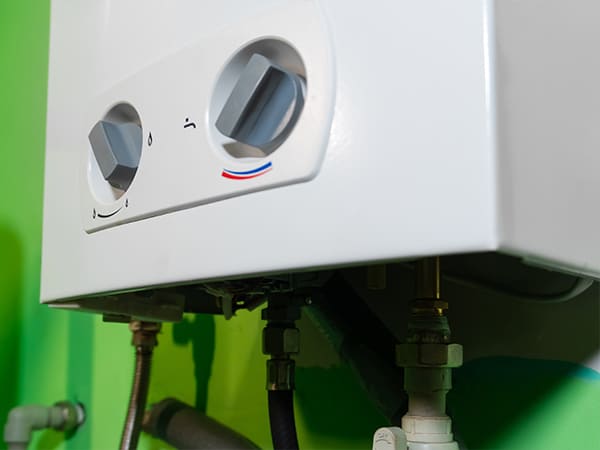
Most modern water heaters—whether gas, electric, or tankless—feature a “Vacation” or “Pilot” setting on the temperature control dial or digital interface. When engaged, this setting drops the tank’s internal temperature significantly, typically to around 50°F to 70°F.
In standard operation, your water heater works 24/7 to keep 40 to 50 gallons of water at a steady 120°F. This requires constant “recovery cycles” as the water naturally loses heat through the tank walls. Vacation mode pauses these cycles. By maintaining a lower baseline temperature, the unit remains ready to be turned back up upon your return without the risk of the system completely cooling down or, in the rare event of a Texas freeze, the internal water turning to ice.
Why Texas Homeowners Should Use This Setting
While northern states worry about frozen pipes, homeowners in Castroville and the greater San Antonio area face different challenges.
- Energy Efficiency during Peak Heat: During Texas summers, your HVAC system is already straining the electrical grid. Reducing the load from your water heater helps lower your monthly utility bill and reduces the overall heat signature inside your utility closet or garage.
- Mitigating Mineral Buildup: In Medina County, we often deal with “hard” water containing high levels of calcium and magnesium. High heat accelerates the “scaling” process where these minerals solidify and settle at the bottom of your tank. By lowering the temperature while you are away, you slow down the rate of sediment accumulation, potentially extending the lifespan of your heating elements.
- Safety and Pressure Management: Water expands when heated (thermal expansion). If your home lacks a properly functioning expansion tank, a water heater constantly cycling at high temperatures creates unnecessary pressure on your internal valves and joints while the home is unoccupied.
Common Misconceptions About Turning Off the Water Heater
A frequent question we hear from clients is: “Should I just turn the water heater off completely?” For most, the answer is no. If you have a gas water heater, turning it off means putting out the pilot light. Re-lighting a pilot light can be a hassle and, if done incorrectly, poses a safety risk. Furthermore, keeping the water at a low “Vacation” temperature ensures that the water doesn’t become a stagnant breeding ground for certain bacteria, which can occur if the water sits at room temperature for weeks.
Real-World Insight: The “Sulfur Smell” After Vacation
In our experience servicing homes in Texas, we often see a specific issue when people return from long trips: a “rotten egg” smell coming from the hot water taps.
This is frequently caused by sulfate-reducing bacteria that thrive in low-oxygen, stagnant environments—like a water heater tank that hasn’t been used in fourteen days. If you use vacation mode, it is a good practice to run your hot water for a few minutes once you return and reset the temperature to 120°F. This flushes the lines and ensures the high heat kills off any lingering odors.
Professional Tip: If you have an older manual dial, “Vacation” is often marked with a “VAC” or a small umbrella icon. If you don’t see one, simply turning the dial to the lowest possible setting above “Off” achieves the same result.
Comprehensive Professional Plumbing Review
While adjusting a thermostat is a simple task, there are times when your water heater’s behavior during or after a vacation indicates a deeper issue:
- The Pilot Won’t Relight: If you turned the gas off and the pilot flame refuses to stay lit, your thermocouple may be worn out.
- Visible Leaking: Often, a tank that has cooled down and then reheated will leak at the fittings due to the metal expanding and contracting.
- Noisy Recovery: If the unit makes loud popping or rumbling sounds as it heats back up to standard temperature, you likely have significant sediment buildup that needs to be flushed.
If you are a homeowner in Castroville, TX, and have questions about your water heater’s performance or need a system evaluation before your next trip, the team at Five Star Plumbing can provide a professional assessment to ensure your plumbing remains reliable while you’re away. Contact us for a water heater assessment to ensure your Medina County home is vacation-ready.
Frequently Asked Questions
How long should I be away before using vacation mode?
Generally, if you will be away for more than three days, it is worth switching to vacation mode. For shorter weekend trips, the energy savings are negligible, but for a week or longer, the savings are noticeable.
Will vacation mode protect my pipes if Texas has a sudden freeze?
Yes. While Castroville doesn’t see many deep freezes, they do happen. Vacation mode keeps the water just warm enough to prevent the tank itself from freezing, though it does not protect the exterior pipes. Those still require insulation.
How long does it take to get hot water back after returning?
Depending on whether you have a gas or electric unit, it typically takes 30 to 60 minutes for a standard 50-gallon tank to reach 120°F again. Tankless models, of course, provide hot water almost instantly once the setting is adjusted.
Can I change the setting myself on a digital water heater?
Most digital models have a very straightforward menu. You simply press the “Mode” button until “Vacation” is highlighted. If you are unsure, referring to the manufacturer’s manual (often found online via the model number) is the safest route.
Long-Term Water Heater Protection
Using the vacation mode on your water heater is a simple, proactive step that aligns with responsible home ownership. It saves money, reduces the strain on your plumbing components, and offers peace of mind. By understanding how your system reacts to Texas water conditions and environmental factors, you can ensure that your home remains efficient and your hot water is ready for you the moment you return.
