

Ever notice how your water heater waits for the most inconvenient moment to act up — usually right before work or when guests are in town? Homeowners in Castroville, TX mention the same thing all the time. Around here, common water heater problems tend to show up more often than people expect, especially during those sudden temperature drops we get between seasons.
Local service reports show that Texas homes see a noticeable spike in water heater issues during winter and early spring, mostly tied to hard water and aging systems. Knowing the most common water heater problems ahead of time can save you from those “cold shower wake-up calls” none of us enjoy.
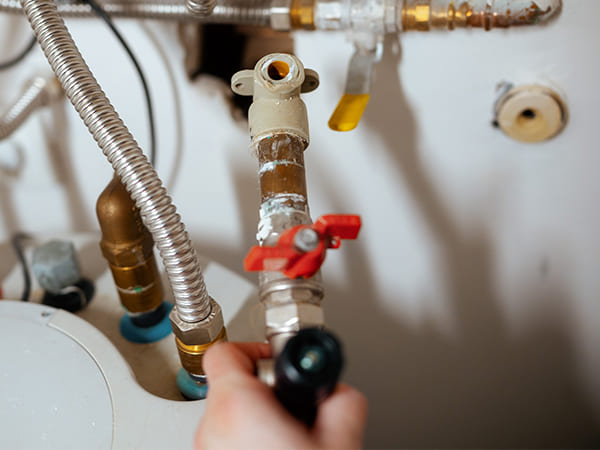
What Counts as “Common Water Heater Problems”?
When plumbers talk about common water heater problems, we’re usually referring to the everyday issues most Texas households run into at some point, such as:
- Not enough hot water
- Fluctuating water temperatures
- Strange noises
- Leaks
- Discolored or smelly water
These problems might look small at first, but they often point to underlying issues like sediment buildup, worn heating elements, worn valves, or poor water quality — all things we see regularly in the Castroville area.
The Common Water Heater Problems That Show Up Most in Castroville
Below is a breakdown of the issues local homeowners report most often, along with why they happen and how to spot them early.
Not Enough Hot Water (or Running Out Too Fast)
This is hands-down the problem Castroville homeowners mention the most. If your tank used to handle morning routines without a hiccup but now can’t keep up, it may be due to:
- Sediment taking up space inside the tank
- A failing heating element
- A malfunctioning thermostat
- Increased household use
Mechanic tip:
If your water used to stay hot longer and gradually declined, it’s almost always sediment. If the change was sudden, check the thermostat or heating element.
Water Temperature Swings
When the shower goes from warm to hot to cool in one rinse cycle, the culprit is usually:
- A thermostat that’s starting to wear out
- Mineral buildup affecting heat transfer
- A partially failing heating element
- Incoming cold water mixing unevenly
In Castroville, where the incoming water can be very cold in the winter and very warm in the summer, these swings become more noticeable.
Popping, Rumbling, or Crackling Noises
A noisy water heater almost always means the tank is full of sediment. When mineral flakes settle at the bottom, they trap small pockets of air. As the burner or heating element warms up, those air pockets expand and make noise.
Think of it like trying to heat a pan that’s covered in gravel — it won’t heat evenly, and it makes a racket.
Rust-Colored or Smelly Water
If you turn on a faucet and the hot water smells metallic, looks brownish, or has a sulfur-like odor, the problem often relates to:
- Corroding anode rods
- Internal rust in an aging tank
- Bacteria reacting with minerals inside the system
This issue pops up more often in older homes around Lower LaCoste Rd., Fiorella St., and other historic areas where original plumbing systems are still in use.
Leaks and Drips Around the Base
Leaks are one of those issues nobody wants to see, but they’re common — especially as units age. A leak might come from:
- A loose drain valve
- A failing temperature & pressure relief valve
- Tank corrosion
- Expansion from temperature shifts
If you ever spot moisture around the base, even a little, it’s worth checking right away. Small leaks rarely stay small.
Quick Reference Table: What the Symptoms Usually Mean
Here’s a simple table you can use to narrow down what’s going on.
| Symptom | Likely Cause | What It Means |
| Hot water runs out fast | Sediment buildup | Tank capacity is reduced |
| Water too hot/cold | Thermostat issue | Heat regulation is off |
| Rumbling noises | Mineral deposits | Heating element struggling |
| Rusty water | Anode rod failing | Internal corrosion |
| Leaks | Valve or tank failure | Pressure or aging issue |
Quick Checks Before You Call a Pro
A few simple things you can look at may give you a clue about what’s going on:
- Thermostat setting: Make sure it hasn’t been bumped or turned down.
- Breaker (electric units): A tripped breaker can cause sudden cold water.
- Noises: Popping or rumbling usually means sediment buildup.
- Warmth on the hot line: If the pipe never warms up, the heater isn’t firing correctly.
- Moisture around the base: Even a small puddle can point to a developing leak.
These quick checks won’t solve everything, but they help you understand what might be happening before a tech comes out.
Real-Life Example: Sediment Causing Hot Water Issues
A homeowner off River Bluff Dr. recently called because their water heater was making a loud “boiling” sound and the water would go cold halfway through showers. After a quick inspection, we found nearly six inches of sediment packed into the bottom of the tank — something we see a lot in this area.
After flushing it out, checking the thermostat, and inspecting the anode rod, the tank was back to normal. The homeowner told us they’d lived here for eight years and didn’t realize water heaters needed periodic flushing. It’s a common story — and an easy fix when caught in time.
Trusted Guidelines for Water Heater Care
Industry groups like the American Water Works Association (AWWA) and the International Association of Plumbing and Mechanical Officials (IAPMO) consistently recommend:
- Annual tank inspections
- Routine flushing in hard-water regions
- Regular valve and thermostat testing
- Anode rod replacement as needed
These guidelines are especially relevant in areas like Castroville, where minerals naturally accelerate wear on water heaters.
When to Call a Local Pro for Water Heater Help
Most common water heater problems in Castroville come down to hard water, seasonal weather swings, and normal wear. With regular inspections and timely service, you can keep your unit running smoothly and avoid surprises like sudden leaks or lukewarm showers.
If you’re noticing any of the symptoms we covered — or you’re unsure when your unit was last checked — the team at Five Star Plumbing is trained, licensed, and familiar with the specific conditions we face here in Medina County. They can help you schedule an inspection, flush your tank, or troubleshoot a problem before it turns into something more serious.
Read our related posts on maintenance tips, plumbing warning signs, and whether tankless systems make sense for Texas households.
FAQs: Water Heater Problems
How often should I flush my water heater in Texas?
In hard-water areas like Castroville, most plumbers recommend flushing once a year. If your water heater is older or you hear rumbling noises, you may need it sooner.
Why does my water heater take so long to heat up?
This could be due to sediment buildup or a thermostat that’s drifting off its setting. Both issues affect heat transfer and timing.
Is discolored hot water dangerous?
Not usually, but it does signal corrosion or bacteria inside the tank. It’s best to have it inspected to prevent future damage.
Can weather really affect water heater performance?
Yes — cold winter water entering the tank makes the heater work harder, while extreme heat can stress components and valves.
How do I know when it’s time to replace the whole unit?
Most tanks last 8–12 years. If yours is in that range and showing multiple issues like leaks, rust, or temperature swings, replacement may be more practical than repairs.
