

Monte Vista historic homeowners face unique challenges when connecting contemporary kitchen and bathroom fixtures to pre-1960 galvanized steel water lines. Galvanic corrosion can quickly destroy mismatched metal joints. Professional plumbers utilize dielectric unions to prevent accelerated pipe deterioration, protecting San Antonio properties from sudden, costly cabinet water leak damage issues.
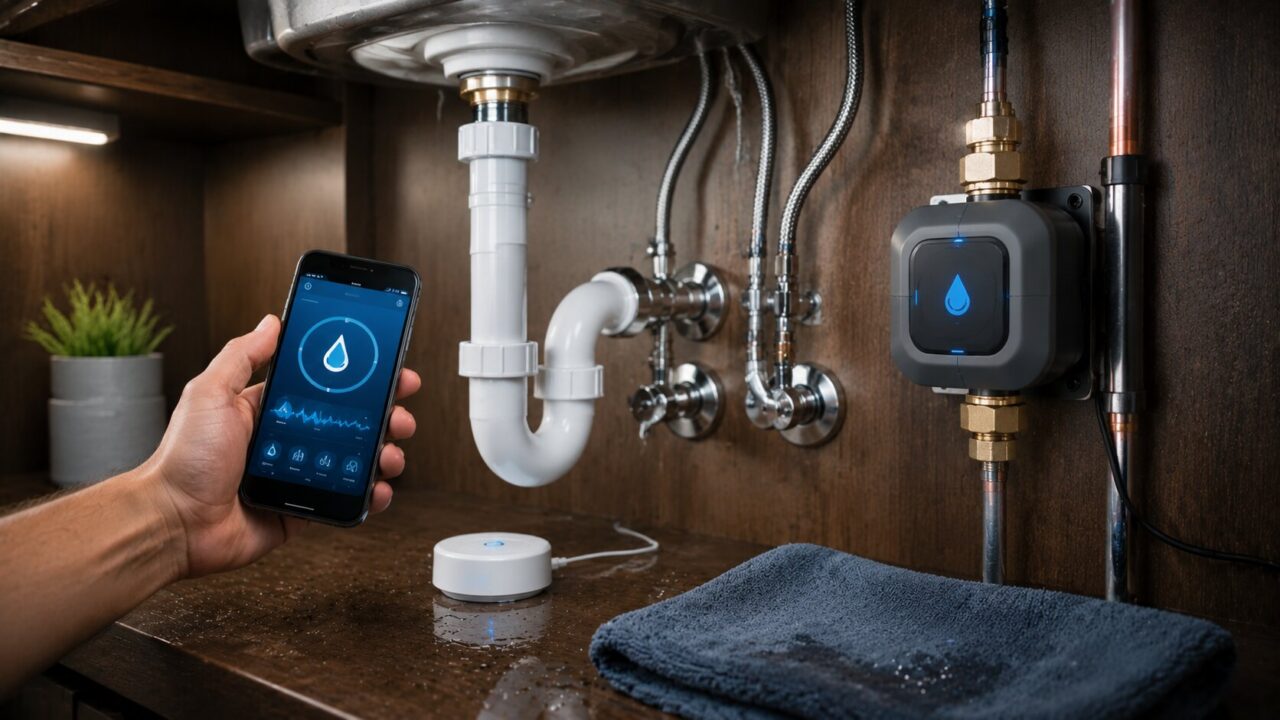
Legacy Monte Vista Infrastructure and Modern Water Flow
If you own one of the early 1900s Spanish Colonial Revival or Craftsman estates north of downtown San Antonio, you are likely no stranger to the unique character of the Monte Vista Historic District. After navigating your evening commute past the Landa Library, pulling into your driveway feels like stepping back in time. However, managing the plumbing infrastructure of a century-old home is a persistent challenge.
Many homes in Monte Vista and neighboring Olmos Park still have their original pre-war galvanized steel water supply lines in service. While these robust steel lines were the standard of their era, they carry a definite operational lifespan. Over decades of delivering highly mineralized groundwater from the Edwards Aquifer, these pipes corrode from the inside out.
Homeowners usually identify this internal decay through clear sensory warning signs. You open your guest bathroom tap and see brown, rust-colored water trickling out, accompanied by a sharp metallic tang. If you try to turn the handle on a classic single-lever faucet, you might feel a rough, grinding resistance as calcium scale scratches the internal seals. Internally, the zinc coating of the galvanized pipe flakes away, allowing rust and mineral scale to accumulate until the pipe’s inner diameter is choked to a fraction of its original size, severely restricting your water pressure.
Galvanic Corrosion and Mixed Metal Connections
The most severe structural threat occurs when you attempt to connect a modern, high-end faucet to these legacy galvanized lines without proper transition fittings. Most contemporary kitchen and bathroom fixtures are constructed with copper or brass supply inlets. Joining copper directly to galvanized steel creates a powerful, destructive electrochemical reaction known as Galvanic Corrosion.
Because copper and steel are dissimilar metals, they establish an active galvanic cell when exposed to San Antonio’s water, which acts as a highly conductive electrolyte. In this reaction, the less noble metal (the iron in your galvanized steel pipe) acts as a sacrificial anode. It corrodes at an accelerated rate, rapidly thinning the pipe wall directly at the joint.
A generic handyman or a DIY-focused homeowner will often make the mistake of screwing a copper adapter directly onto a galvanized pipe nipple. Within eighteen to twenty-four months, this joint will fail. Because the corrosion occurs hidden under sink basins or behind beadboard walls, the first sign of trouble is often a damp, musty odor under your cabinet, indicating a silent, steady leak that is actively rotting your historic wood floors.
Specialized Diagnostic Audits for Historic San Antonio Homes
At Five Star Plumbing, we do not believe in invasive guesswork that damages historic structures. We utilize advanced diagnostic technology to locate hidden supply line issues before any physical disassembly begins.
First, we connect a digital manometer to your system to conduct a high-resolution static and dynamic pressure test. Many newer San Antonio developments suffer from failed Pressure Reducing Valves (PRVs), but in historic districts, the challenge is managing water hammer from old, uninsulated pipe runs. High pressure over eighty pounds per square inch will quickly blow out the delicate ceramic disc cartridges of modern luxury faucets.
Second, we utilize the LeakTronics Pro Complete Kit. Our technicians use high-sensitivity acoustic sensors to trace the distinct high-frequency “hiss” of a sub-floor pinhole leak.
Our “Moment of Clarity” comes when we run a high-resolution sewer camera scope down your vintage cast iron or clay drain lines, marking the exact coordinates of a SAG or root intrusion under your pier-and-beam foundation without disturbing your home’s historic fabric.
Dielectric Isolation and Professional Retrofitting Methods
Permanently protecting your historic home from galvanic corrosion requires the installation of a non-conductive barrier between the old steel and the new copper lines. We achieve this by installing the Watts Series LF3001A lead-free dielectric union.
The LF3001A features a heavy-duty brass tailpiece, a steel adapter, and a high-integrity polysulfone insulator paired with a durable EPDM gasket. This design physically separates the two dissimilar metals, completely breaking the electrical path and stopping the corrosion current in its tracks. For properties undergoing extensive modernization, we completely abandon the corroded galvanized lines and perform a whole-house repipe using flexible, scale-resistant PEX-a piping, running the lines safely through attics and crawlspaces.
| Connection Method | Galvanic Protection | Under-Sink Risk | Typical Lifespan |
| Direct Copper to Steel | None | Extreme (Rapid joint failure) | Less than 2 years |
| Brass Transition Union | Moderate | Low (Requires regular checks) | 5 to 7 years |
| Dielectric Isolation | Exceptional | None (Electrical path broken) | 10 to 15 years |
Preventive Faucet Care for Historic Properties
Homeowners are often intimidated by the strict regulations associated with living in a designated historic district. In San Antonio, the Office of Historic Preservation (OHP) and the Historic and Design Review Commission (HDRC) actively govern the materials, colors, and methods used for exterior alterations visible from the public right-of-way.
However, interior plumbing maintenance, repairs, and standard fixture upgrades are not regulated by local historic district review. You do not need to apply for a Certificate of Appropriateness (COA) to upgrade your kitchen faucet or replace a worn toilet. You can safely modernize your indoor comfort while maintaining complete compliance with local guidelines.
To extend the lifespan of your retrofitted fixtures:
- Wipe the Base Dry: Saturated condensation can collect on cold faucet bases. Wiping them dry prevents water from creeping under thin finishes and causing pitting.
- Soak the Aerator: Once a year, unscrew your faucet aerator and soak it in white vinegar for thirty minutes to clear out the calcium scale that limits water flow.
- Install a Water Softener: Sized for San Antonio’s eighteen-plus grains of hardness, a demand-initiated softener is the only way to stop Edwards Aquifer minerals from seizing your new faucet’s ceramic cartridge.
Safeguard Your Monte Vista Historic Home Today
Are you dealing with declining water pressure, rusty tap water, or stiff faucet handles that are difficult to turn? Don’t let galvanic corrosion silently destroy your plumbing connections and historic property. At Five Star Plumbing located at 2780 FM471, Castroville, TX 78009, we provide the licensed expertise, historical home experience, and advanced diagnostic tools needed to complete code-compliant, durable retrofits. Julian Campos and our professional team specialize in dielectric transitions, leak detection, and full PEX repipes. Call Five Star Plumbing at (210) 673-0797 today to schedule your comprehensive plumbing inspection and keep your historic home running smoothly for decades to come!
Frequently Asked Questions
Do I need HDRC approval to replace a kitchen faucet in Monte Vista?
No, interior plumbing upgrades, repairs, and indoor fixture replacements do not require a Certificate of Appropriateness (COA) from the Office of Historic Preservation.
Why does my tap water look brown or red when first turned on?
This is a primary symptom of advanced internal corrosion inside your home’s original galvanized steel pipes, which releases rust particles into your water supply.
Can I use a brass fitting instead of a dielectric union?
Yes, brass is chemically more compatible with steel than copper is, but a dedicated dielectric union with a non-conductive insulator is still the best way to prevent galvanic corrosion.
Will hard water ruin my new faucet’s ceramic cartridge?
Yes, high mineral content can cause calcium scales to deposit inside the faucet, creating a stiff, gritty handle movement and eventually ruining the watertight seal.
