

You’re getting ready for work in your San Antonio home when the water from your faucet turns brown, or maybe the shower pressure drops halfway through. Sound familiar? These are everyday frustrations many Texas homeowners face—especially in older neighborhoods where plumbing systems are decades old.
What seems like a small issue today could point to something larger beneath your walls. Rusty water, frequent leaks, and pressure changes are all early home repiping indicators that your plumbing may need more than a quick fix.
From Castroville to Cibolo, local homes experience unique plumbing stress from Texas’s heat, hard water, and shifting soil. Knowing these signs early can help protect your property and water quality before bigger problems appear.
What Is Plumbing Repiping and Why Does It Matter?
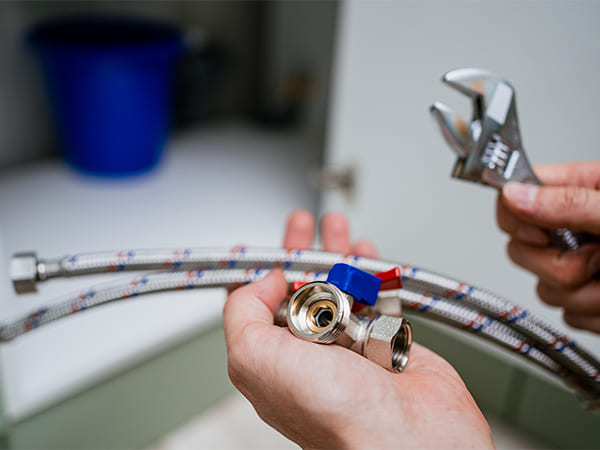
Repiping means replacing all or most of the water supply lines in a home. It is different from repairing a single leak. New pipes restore proper water flow, prevent corrosion, and improve water quality.
In many older Texas homes, the original pipes are made of galvanized steel or polybutylene — materials that break down over time. Replacing these outdated systems protects the home’s structure, plumbing fixtures, and overall water quality.
Knowing the key home repiping indicators helps homeowners act before serious damage occurs.
Why Texas Homes Experience Plumbing Wear Faster
Extreme Weather and Shifting Soil
Texas weather swings between droughts and downpours. This movement causes the clay-rich soil to expand and contract.
When that happens, buried pipes shift and weaken at their joints. Homeowners in Hondo, Rio Medina, and Lacoste often report underground leaks after heavy rain or long dry spells.
Hard Water and Mineral Buildup
Most Texas regions have hard water with high mineral content. Over years, calcium and magnesium deposits form inside pipes.
This buildup restricts flow, reduces water pressure, and accelerates corrosion — a major cause behind home repiping indicators such as rusty water and weak showers.
Aging Materials in Older Homes
Homes built before the early 1990s may still use galvanized or polybutylene pipes. Both materials are prone to cracking, corrosion, and leaks.
PEX or copper piping now replaces these outdated systems due to their flexibility and durability under Texas weather conditions.
Clear Signs Your Texas Home May Need Repiping
Recognizing the home repiping indicators early helps prevent leaks and water damage before they become emergencies. If you notice any of these signs, it’s time to schedule a plumbing inspection.
1. Rusty or Discolored Water
If your tap water runs brown or yellow, corrosion is forming inside your pipes. Rust particles mix with the water, creating discoloration and metallic taste — a sign of aging galvanized pipes.
2. Low or Unstable Water Pressure
Low pressure across multiple fixtures often means buildup or corrosion throughout the system. A sudden drop can also signal a hidden leak or blockage in older lines.
3. Recurring Leaks
Frequent leaks, even after multiple repairs, indicate systemic deterioration. Once the metal or plastic weakens throughout, patching individual leaks no longer helps.
4. Fluctuating Water Temperature
Inconsistent water temperatures during showers usually point to restricted flow in hot water lines. Sediment or corrosion limits consistent mixing, leading to those cold surprises.
5. Water Stains or Mold Growth
Unexplained wet spots on walls, ceilings, or floors often hide slow leaks behind the drywall. If you see discoloration or smell mildew, it’s time to check the plumbing.
6. Unusual Noises in the Pipes
Banging or rattling sounds, known as “water hammer,” suggest trapped air or pressure imbalance. These noises often precede leaks or pipe bursts if left untreated.
7. Old Pipe Materials
If your home was built before 1990 and still has galvanized, lead, or polybutylene pipes, replacement is strongly recommended. Modern PEX or copper piping is safer, longer-lasting, and performs better in Texas’s climate extremes.
Why These Signs Matter
Each of these home repiping indicators shows that your plumbing system is under stress. Ignoring them can lead to costly damage, water contamination, or complete pipe failure. If two or more signs are present, it’s time to have your plumbing system professionally assessed.
Benefits of Repiping a Texas Home
- Improved Water Quality – No more rust or metallic taste from corroded lines.
- Steady Water Pressure – Consistent flow across all faucets and fixtures.
- Reduced Repair Costs – Eliminates recurring leaks and emergency service calls.
- Energy Efficiency – Hot water reaches taps faster, lowering heating waste.
- Long-Term Durability – PEX and copper systems last decades with minimal maintenance.
According to the EPA, even one slow leak can waste over 3,000 gallons of water per year. Repiping prevents this unnecessary loss and supports water conservation in drought-prone regions.
Texas Homeowner Example: When Home Repiping Indicators Became Urgent
A homeowner in Castroville noticed brown water and frequent leaks in her 1980s home. Inspection revealed galvanized pipes corroding internally.
After switching to a full PEX repiping system, her water cleared instantly, pressure stabilized, and leaks stopped. She later reported a noticeable drop in water bills due to reduced waste.
Local experiences like this reflect what many Texas residents face — the gradual decline of aging plumbing systems that finally reach a breaking point.
Expert Guidance & Verified Data on Repiping Timing
- Pipe Lifespan: Galvanized steel pipes typically last 40–60 years before corrosion causes low pressure or rusty water.
- ASPE Insight: The American Society of Plumbing Engineers (ASPE) advises routine inspection when home repiping indicators—like leaks or discoloration—begin to appear.
- Texas Standards: The Texas Commission on Environmental Quality (TCEQ) enforces plumbing material and water safety standards under Title 30, Chapter 290 of the Texas Administrative Code.
Key Takeaways
- Texas homes face faster pipe wear from hard water and soil movement.
- Home repiping indicators include rusty water, low pressure, and frequent leaks.
- Repiping improves safety, reliability, and water quality.
- Licensed professionals ensure compliance with Texas plumbing codes.
- Regular inspections prevent costly emergencies.
Protect Your Texas Home by Recognizing Repiping Warning Signs
Catching early home repiping indicators—like rusty water, pressure drops, or repeated leaks—can save your Texas home from costly plumbing damage.
Five Star Plumbing proudly serves San Antonio, Castroville, Rio Medina, Hondo, Cibolo, and surrounding communities, providing professional repiping, leak detection, and full water line replacement services.
Ready to Restore Reliable Water Flow?
Schedule a plumbing inspection today to keep your home’s water system safe, efficient, and reliable.
For more helpful advice, explore our related posts on household plumbing problems and water heater maintenance tailored for Texas homeowners.
FAQs About Home Repiping in Texas
How long does it take to repipe a house in Texas?
Most repiping jobs take three to five days. Larger homes may take a week. Plumbers usually restore daily water access during the project.
What type of pipe lasts the longest in Texas weather?
PEX piping performs best in Texas conditions. It resists corrosion, handles extreme temperatures, and expands slightly to prevent bursting.
Do I need to move out during repiping?
No, you can usually stay home. Plumbers work in stages and keep at least one bathroom and kitchen area functional each day.
How do I know if my home’s water lines are outdated?
Check your home’s build year. If it’s before 1990, you likely have galvanized or polybutylene pipes that need replacement.
Can repiping improve water taste and quality?
Yes. New pipes eliminate rust and buildup, providing cleaner, clearer water that’s safe for cooking and drinking.
