

Basement leaks are a common and expensive issue in Texas homes. Proactive leak prevention safeguards your foundation, prevents mold growth, and protects your property from long-term damage.
Texas soil is rich in clay, which expands when wet and shrinks when dry. This movement can crack basement walls and allow water intrusion. Over time, leaks damage flooring, insulation, and stored belongings.
Cities like San Antonio, Castroville, and Rio Medina face heavy rain after long dry spells—conditions that intensify leak risks. Consistent prevention helps Texas homeowners maintain a solid foundation and avoid costly repairs.
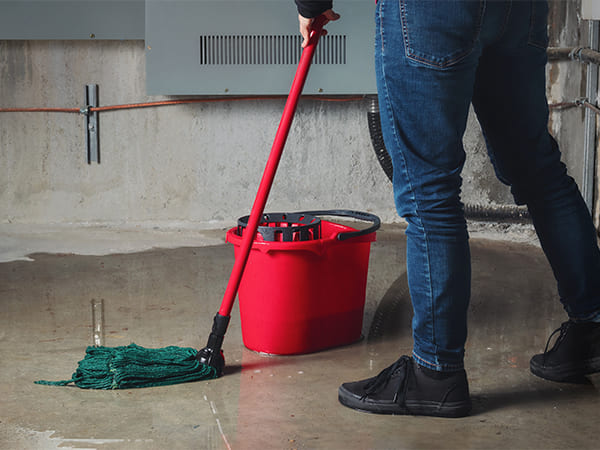
Understanding Basement Leak Prevention
Basement leak prevention means keeping water away from your home’s foundation. Effective strategies include:
- Sealing cracks and applying waterproof coatings
- Installing drainage systems
- Maintaining proper yard grading
In Texas, unpredictable weather and shifting soil make these steps crucial. Even homes that stay dry during droughts can flood after a single storm.
Texas Weather and Soil Challenges
Texas weather swings between extreme dryness and sudden downpours. When dry soil shrinks, gaps form around foundations. When rain returns, the soil swells, forcing water through cracks.
Neighborhoods such as Hondo, Lytle, and Cibolo experience flash floods in spring and summer. Poor drainage allows stormwater to collect around basements and seep inside.
San Antonio’s Seasonal Challenges
In San Antonio, short but intense thunderstorms can dump several inches of rain within hours. Older homes with blocked gutters or uneven grading are especially vulnerable. Homeowners in Schertz and Selma often report water pooling around basement corners or window wells.
Basic Steps to Prevent Basement Leaks in Texas Homes
1. Inspect and Seal Foundation Cracks
Check your basement twice a year. Seal cracks with hydraulic cement or epoxy filler to prevent moisture seepage.
2. Maintain Gutters and Downspouts
Clean gutters regularly and extend downspouts 5–10 feet from the foundation. This keeps water flowing away from your home.
3. Check Grading and Yard Slope
Ensure your yard slopes six inches over ten feet away from the foundation. Regrade after erosion or landscaping changes.
4. Install or Maintain a Sump Pump
In flood-prone areas like Rio Medina and Schertz, sump pumps prevent flooding. Test them before rainy seasons.
5. Apply Interior Waterproof Coatings
Coat walls with waterproof paint or sealant to stop minor seepage and protect against humidity.
Advanced Strategies for Long-Term Basement Leak Prevention
Take your waterproofing efforts further with these proven, long-term solutions:
- Improve Exterior Drainage – Install French drains or surface drains to direct water away from your foundation.
- Extend Roof Runoff Systems – Use downspout extensions or splash blocks to redirect rainwater.
- Repair Window Wells – Add covers and check gravel bases for proper drainage.
- Monitor Indoor Humidity – Keep basement humidity under 60% using a dehumidifier.
- Inspect Plumbing Lines – Annual plumbing checks prevent leaks that mimic water intrusion.
- Seal Utility Penetrations – Use expanding foam or silicone around HVAC and electrical entries.
- Schedule Regular Foundation Inspections – Hire professionals every few years to catch early signs of damage.
Common Mistakes That Cause Basement Leaks
Avoid these frequent errors:
- Ignoring small cracks
- Letting downspouts drain near foundations
- Overwatering landscaping
- Neglecting gutters
- Skipping pre-storm inspections
Homeowners in Dunlay and Lacoste often experience leaks after heavy storms due to these preventable issues.
Benefits of Proactive Leak Prevention
Preventing basement leaks saves thousands in repairs. A dry basement preserves flooring, insulation, and wiring.
The EPA warns that mold can grow within 48 hours of water exposure. Maintaining a dry basement also improves indoor air quality and boosts energy efficiency during humid Texas summers.
Extra Tips for Texas Homeowners
- Before Storms: Inspect gutters, downspouts, and sump pumps.
- Landscaping: Keep roots six feet from the foundation to avoid shifting soil.
- Smart Monitoring: Install moisture sensors for early leak detection.
- Ventilation: Use fans or vents to maintain balanced airflow and humidity.
How One San Antonio Homeowner Stopped Basement Leaks for Good
A San Antonio resident noticed damp basement walls and a musty smell every spring after heavy rain. Concerned about foundation damage, they regraded their yard, extended downspouts, and installed a sump pump. They also applied waterproof sealant to interior walls and improved ventilation to control humidity.
The next rainy season, their basement stayed completely dry—even during Texas thunderstorms. Regular gutter checks and sump pump tests have kept it that way ever since, proving that consistent basement leak prevention can stop costly damage before it starts.
What Experts Say About Preventing Basement Water Damage
The Texas Commission on Environmental Quality (TCEQ) highlights that proper lot grading and surface drainage are critical to preventing foundation movement and water intrusion. TCEQ advises homeowners to maintain consistent soil moisture and ensure that runoff flows away from the home’s foundation to reduce stress and cracking.
According to the American Society of Home Inspectors (ASHI), preventive waterproofing and regular maintenance greatly reduce the risk and cost of future moisture or foundation repairs. Routine inspections, early crack sealing, and effective moisture control remain the most reliable defenses against basement water damage.
Stay Protected with Proven Basement Leak Prevention in Texas
Keeping your Texas basement dry requires consistent maintenance, reliable waterproofing, and professional insight.
Homeowners across San Antonio, Castroville, Rio Medina, Dunlay, Lacoste, Hondo, Lytle, Schertz, Cibolo, and Selma can protect their homes year-round by following proactive leak prevention strategies.
Professional services available include:
- Advanced basement waterproofing and customized drainage solutions
- Foundation sealing, sump pump setup, and maintenance
- Leak detection, moisture management, and humidity control
- Routine foundation inspections and storm-readiness evaluations
For trusted local expertise, Five Star Plumbing offers tailored solutions to keep your home dry and secure. Schedule a consultation, request an inspection, or contact us today for a personalized quote.
FAQs About Basement Leak Prevention
How often should I check for leaks?
Twice a year—before and after storm season.
Does landscaping affect leaks?
Yes. Poor grading or root growth traps water near foundations.
Do I need a sump pump if my basement is dry?
Yes, if your area floods. It’s a critical backup system.
What’s the best sealant for cracks?
Hydraulic cement or epoxy—both expand to block water effectively.
Why does my basement smell musty after rain?
Moisture buildup. Dry thoroughly, improve airflow, and inspect for seepage.
