

In San Antonio and surrounding Texas communities, homeowners know how quickly drought restrictions can turn a green lawn brown. City watering limits and rising utility rates make it harder to keep landscapes thriving without wasting water.
Many Texans are turning to greywater plumbing systems — smart setups that reuse water from showers, sinks, and laundry to cut consumption and costs. These systems make it possible to maintain comfort and curb appeal, even when water restrictions tighten.
This guide breaks down how greywater systems work, their benefits for Texas properties, and what local homeowners should know about TCEQ-approved installation and maintenance.
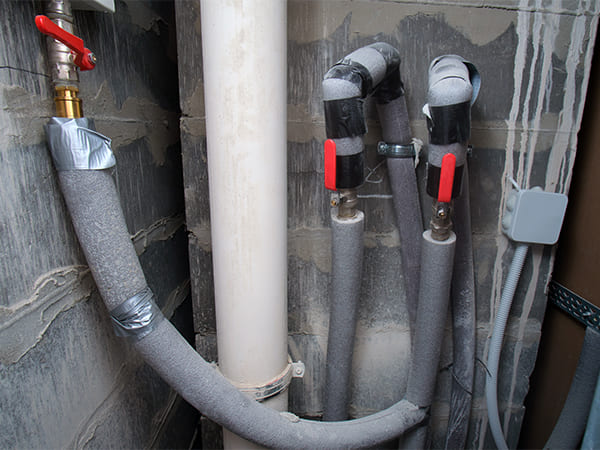
What Is a Greywater Plumbing System?
A greywater plumbing system collects and filters lightly used water from showers, bathtubs, and washing machines. It excludes wastewater from toilets, kitchen sinks, or dishwashers due to contamination risks.
The filtered water — called greywater — is reused for non-drinking purposes such as landscape irrigation or toilet flushing. According to the Texas Commission on Environmental Quality (TCEQ), a properly installed system can cut water use by up to 40%.
Greywater systems are legal in Texas and approved under the Texas Administrative Code §210.82.
Why Greywater Systems Matter in Texas
Texas regularly faces droughts and municipal watering restrictions, especially in San Antonio, Schertz, and Hondo. During dry summers, outdoor watering may be limited or banned.
Installing a greywater system allows homeowners to use recycled water for landscaping — even during watering bans. This conserves water without sacrificing comfort or curb appeal.
TCEQ encourages greywater reuse as part of sustainable development in rapidly growing cities such as Castroville, Cibolo, and Rio Medina.
How Greywater Systems Work: Step-by-Step
- Collection – Water from approved sources (showers, laundry) is diverted before entering the drain line.
- Filtration – Filters remove soap residue, hair, lint, and debris. Advanced systems may use sand or biological filters.
- Storage – The filtered water is held in a covered tank — usually underground or near utilities.
- Distribution – Pumps or gravity send greywater to irrigation lines or toilets, depending on layout.
- Maintenance – Filters and tanks need cleaning every few months. Many Texas systems include automatic diverter valves to switch between municipal and greywater use.
Local Adaptation for Texas Conditions
Greywater reuse fits perfectly with Texas’ semi-arid climate and clay-heavy soil. It supports lawn and garden health while reducing demand on municipal water systems.
Cities like Lacoste, Dunlay, and Lytle experience fluctuating well-water levels. Greywater systems help maintain landscaping during dry months.
Some Texas utilities offer rebates for eco-friendly plumbing. Check with your local water department before starting your project.
Benefits of Greywater Systems
- Lower Water Bills – Save hundreds of dollars per year.
- Sustainability – Reduce stress on municipal water and groundwater.
- Drought Resilience – Keep lawns green during restrictions.
- Code Compliance – Meet TCEQ water reuse standards.
- Increased Home Value – Appeal to eco-conscious buyers.
According to the EPA’s WaterSense Program, greywater reuse can cut freshwater demand by up to 30% in drought-prone states.
Choosing the Right Greywater System
1. Simple Diversion Systems
Connect one appliance (like a washing machine) directly to your garden.
2. Filtered Storage Systems
Collects greywater from multiple sources, filters it, and stores it for irrigation or toilet flushing.
3. Integrated Reuse Systems
Smart systems with sensors, pumps, and auto-filtration — ideal for new homes or large properties.
Always consult a licensed Texas plumber familiar with TCEQ greywater standards.
Texas Regulations and Safety
Texas law defines greywater as “lightly used water suitable for limited reuse.” Under Texas Administrative Code §210.82, it may be used for irrigation and toilet flushing with proper treatment.
Systems must include backflow prevention and follow TCEQ-approved designs. Always check local permit requirements in San Antonio, Cibolo, and Hondo before installing.
Real Results: How a San Antonio Homeowner Saved 20% with a Greywater System
A San Antonio homeowner installed a laundry-to-landscape greywater system to reduce outdoor water use. Within weeks, plants and lawns stayed green despite summer watering restrictions.
After just three months, the homeowner’s utility bills dropped by roughly 20%, all without major remodeling or expensive upgrades.
This real-world example shows that even small-scale greywater systems can make a measurable difference in water conservation, savings, and comfort for Texas households.
Environmental Impact
Greywater systems improve sustainability and help communities manage limited water supplies. Research from Texas A&M AgriLife Extension shows that greywater can reduce outdoor water demand by 25% annually.
In areas like Schertz and Rio Medina, widespread adoption could save millions of gallons each year, supporting Texas’ long-term water goals.
Challenges & Maintenance Tips
- Avoid greywater from kitchen sinks or dishwashers.
- Use biodegradable soaps and detergents.
- Clean filters every few months.
- Prevent standing water to avoid mosquito growth.
- Hire certified professionals for inspection and servicing.
Proper care ensures safe, efficient operation and long system life.
Rethink How You Use Water at Home
Greywater plumbing systems offer a smart way for Texas homeowners to cut water bills, reduce waste, and stay compliant with TCEQ standards. By recycling water from showers, sinks, and laundry, you can keep your yard green and your home efficient — even during drought restrictions.
We provide eco-efficient plumbing solutions designed for local conditions. Our licensed professionals handle system design, installation, retrofitting, and regular maintenance to ensure your greywater setup runs safely and reliably across San Antonio, Castroville, Schertz, Hondo, and nearby communities.
Thinking About Conserving Water the Smart Way?
Schedule a consultation or request an inspection with Five Star Plumbing today to find the best system for your home.
Looking to make your home even more efficient? Check out our related posts on basic plumbing codes.
FAQs About Greywater Plumbing Systems
Can I use greywater in my vegetable garden?
No. Use it only for non-edible plants; soaps and detergents can harm food crops.
Do greywater systems smell bad?
Not if maintained. Odors indicate a filter clog or stagnant water that needs cleaning.
Is greywater reuse legal in Texas?
Yes — TCEQ guidelines allow greywater reuse if systems meet state standards.
Can I retrofit an existing home?
Yes, with diverter valves and filters — often without major remodeling.
How much maintenance is needed?
Clean filters every 3–6 months and schedule annual inspections.
